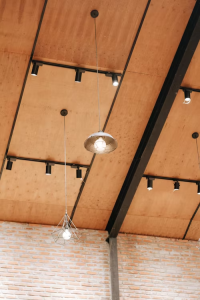
If you want to achieve total thermal stability in a room, you must look at the ceiling. Traditional forced air systems often struggle with stratification, where heat trapped at the top of the room does nothing for the occupants below. An electric ceiling heater solves this by utilizing radiant energy to warm objects and people directly. This approach bypasses the limitations of air as a medium. By mounting heaters overhead, you reclaim floor space while ensuring a consistent temperature profile from floor to ceiling.
Radiant Heat Physics and Performance Metrics
CeramiCircuit™ radiant technology achieves a 0.96 emissivity rating using porcelain-coated carbon steel. This material configuration allows an electric ceiling heater to project 52% more downward radiant energy than standard aluminum emitters. These panels reach peak surface temperatures of 312.4°F to maintain consistent mean radiant temperatures in commercial or residential zones. Although they generate serious (and efficient) heat, they are completely safe because they are mounted so that they cannot be touched.
| Category | Value | Notes |
| Surface Temperature | 312.4°F | Maximum operating temp for 632C models |
| Emissivity Rating | 0.96 | Porcelain on steel vs 0.55 for aluminum |
| Heat Retention | 10 Minutes | Thermal battery effect after power off |
| Warranty Period | 10 Years | Standard industry coverage is 1 Year |
If the ceiling height is under 10 feet, then a standard 2×4 lay-in panel is the ideal choice. If the room has high vaulted ceilings or industrial clearance, then a high-output 1000-watt unit is necessary to bridge the distance.
Optimizing Placement for Zero-Click Efficiency
Effective placement is the difference between a warm room and a drafty one. You should center your electric ceiling heater over the area where people spend the most time, such as desks or seating areas. Avoid placing panels directly over cabinets or high shelving, as these obstructions will absorb the radiant energy before it reaches the floor level.
Radiant heat works like light: it travels in a straight line. If you can see the heater, you can feel the heater. For a standard 10×12 room, two 500-watt panels provide more even coverage than a single 1000-watt unit. This distribution prevents cold spots that occur when a single source is forced to carry the entire load. If your goal is supplemental heating, then focus on perimeter walls where heat loss is highest. If the application is primary heating, then a grid-based layout is required to maintain a steady state.
Technical Specifications and Energy Savings
The key problem in electric heating is usually the operational cost. However, radiant panels are zonal by nature. You do not need to heat the entire building to be comfortable in one office. By using a dedicated thermostat for each room, you can reduce energy consumption by up to 30% compared to central systems.
Typical features of radiant electric heaters:
- Ceramic-coated carbon steel heating elements provide a “thermal battery” effect.
- Panels fit into standard 15/16 inch T-bar ceiling grids.
- Solid state construction means zero moving parts and zero noise.
How to choose a radiant electric heater:
- If the room has significant glass exposure, then increase the wattage density by 20%.
- If the room is an interior space with no windows, then stick to the standard 10 watts per square foot.
Comparing Heater Technologies for Interior Comfort
Not all heaters are equal. Baseboard units are prone to collecting dust and creating wall streaks due to convection currents. Forced air systems often cycle on and off, creating a yo-yo effect where the temperature swings by 5 degrees in either direction. An electric ceiling heater maintains a constant surface temperature for objects in the room. This leads to a higher mean radiant temperature, which allows you to feel comfortable at a lower air temperature setting.
Technical benchmarks show that radiant panels reach full operating temperature in less than 8 minutes. Because the porcelain coating is bonded to the steel at 1500°F, the panel will never delaminate or lose its finish. This is why these units are preferred in sterile environments like hospitals or clean rooms. There are no fans to move microbes or allergens around the space.
Installation Logic and Maintenance Protocols
Maintenance for these systems is virtually non-existent. Because there are no filters to change and no bearings to lubricate, the total cost of ownership is significantly lower than heat pumps or furnaces. The installation process is actually simple:
- Verify the circuit capacity for the total wattage of the panels.
- Drop the panel into the T-bar grid or surface mount it to the drywall.
- Connect the lead wires to the junction box.
- Secure the safety cables to the building structure.
If you are installing in a humid environment like a yoga studio or a bathroom, then ensure the model is rated for damp locations. The porcelain finish is naturally resistant to moisture and will not rust over time.
Frequently Asked Questions
Does heat not just rise to the ceiling? Hot air rises, but radiant energy travels in any direction. These heaters use electromagnetic waves to move heat downward. The energy only turns into heat once it hits a solid object like the floor or a person.
Can I paint the panels to match my ceiling? We do not recommend painting the panels. Standard latex paint acts as an insulator and will reduce the emissivity of the porcelain coating. This lowers the efficiency of the heater.
What is the life expectancy of these heaters? These units are designed to last 30 to 40 years. With no moving parts to wear out and a steel core that resists thermal fatigue, they outlast almost every other heating technology on the market.
Are they safe for low ceilings? Yes. While the surface is hot, it is mounted out of reach. There are no exposed glowing coils or fire hazards. They are UL listed and safe for continuous operation.
Achieve Silent Comfort Today
The best way to solve comfort issues is to address the physics of the room. Stop fighting air currents and start using radiant energy. Our team at Electric Heat can help you calculate the exact wattage needed for your specific application.
For a custom heat loss analysis or to place an order, contact us today or call our expert consultants at (800) 774-4450. We will ensure your space remains warm, silent, and efficient for decades to come.